Eco-Friendly Landscaping: Sustainable Practices for a Greener Home Jun 25, 2026
Eco-friendly landscaping, often referred to as sustainable landscaping, is the practice of designing and maintaining your yard to conserve water, reduce waste, and minimize the use of harmful chemicals. This approach not only benefits the environment but can also lead to financial savings and increased property value.
One of the foundational principles of sustainable landscaping is water conservation. With drought conditions becoming more common, efficient water use is essential. Implementing a drip irrigation system is a highly effective method for reducing water usage, as it delivers water directly to the plant's roots. This method minimizes evaporation and ensures that plants receive the necessary hydration without waste.
Another key aspect of eco-friendly landscaping is the use of native plants. Native plants, adapted to local climates and soil conditions, typically require less water and maintenance than non-native species. They also provide vital habitats for local wildlife, including pollinators like bees and butterflies. By choosing native plants, homeowners can create vibrant, sustainable landscapes that support the local ecosystem.
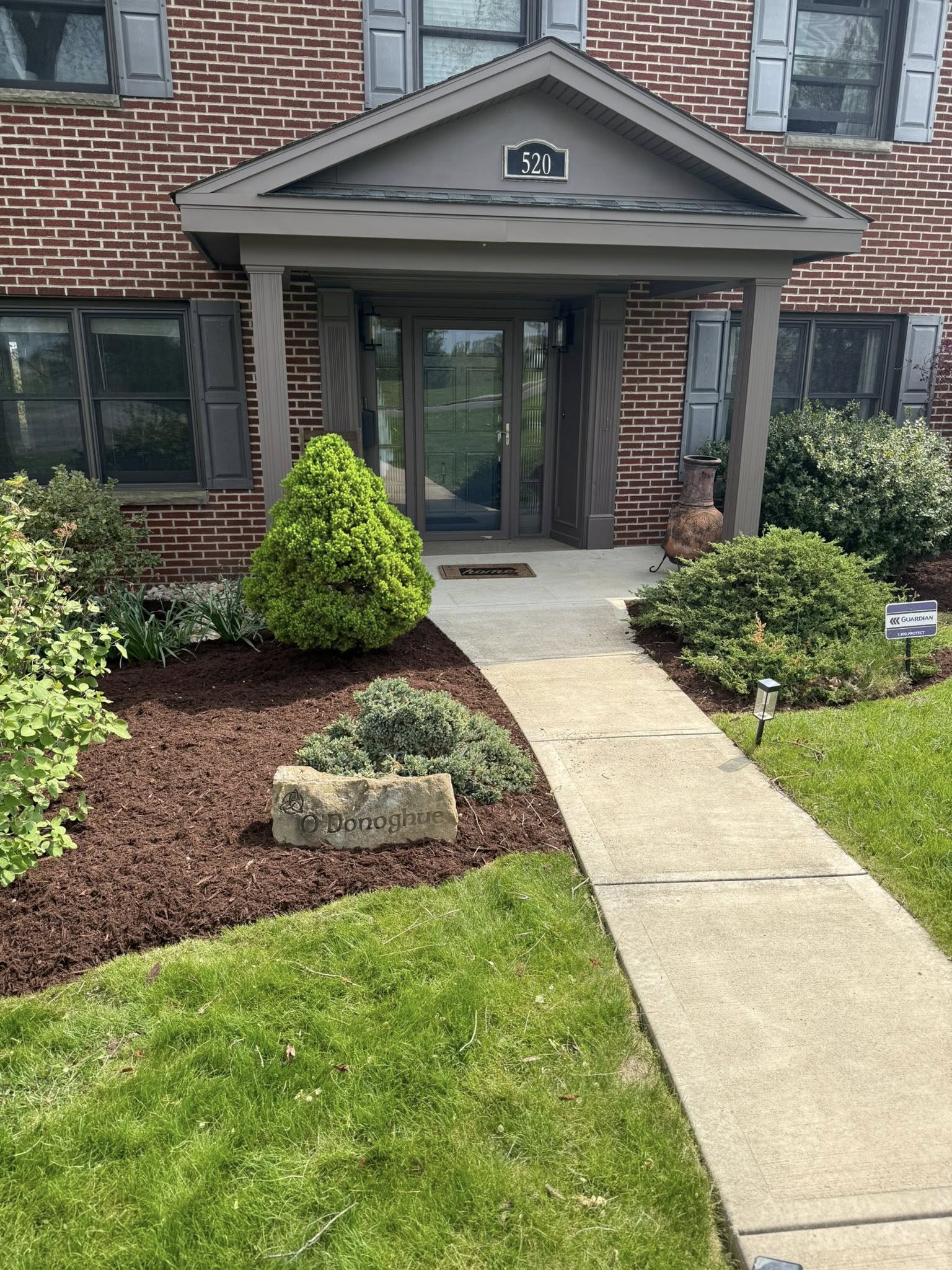
Incorporating mulch into your garden design is another simple yet effective sustainable practice. Mulching around plants not only helps retain soil moisture but also suppresses weed growth and adds organic matter to the soil as it decomposes. This enhances soil health, reducing the need for synthetic fertilizers and pesticides.
Composting is an excellent way to embrace zero waste living while enriching your garden soil. By turning organic kitchen and garden waste into compost, you reduce landfill contributions and create a nutrient-rich soil amendment that can replace chemical fertilizers. This not only benefits plant growth but also improves soil structure and drainage.
Hardscaping elements, like permeable pavers and rain gardens, also play an important role in eco-friendly landscaping. Permeable pavers allow rainwater to seep through the surface and replenish the groundwater supply, reducing runoff and erosion. Rain gardens, strategically placed in low-lying areas, capture stormwater, which then slowly infiltrates the soil, supporting plant growth and reducing pollution.
Lastly, practicing organic lawn care by using natural alternatives over chemical pesticides and fertilizers ensures the health of your landscape and safeguards the surrounding environment. This can involve the use of organic pest control methods and natural soil amendments that promote a balanced ecosystem.
By integrating these sustainable practices, homeowners can take proactive steps to create landscapes that are not only visually appealing but also environmentally conscious. Eco-friendly landscaping is a commitment to a greener future, and Wilder Landscaping Services is here to guide you every step of the way. Whether you're planning a new landscape design or improving your current outdoor space, our team is dedicated to helping you achieve your sustainability goals.
In conclusion, sustainable landscaping is a win-win for both homeowners and the environment. It offers an opportunity to contribute to ecological preservation while enjoying the beauty and functionality of a well-maintained landscape. As more individuals embrace eco-friendly practices, the vision of a greener, healthier planet becomes increasingly attainable. Wilder Landscaping Services is ready to assist you in transforming your home into a model of environmental stewardship and aesthetic excellence.
/filters:no_upscale()/filters:format(webp)/media/00656e9b-f62c-43ea-90b3-f5bafe0051d3.jpeg)