The Ultimate Guide to Water-Efficient Landscaping Techniques Jul 21, 2026
Water-efficient landscaping, also known as xeriscaping, involves designing your landscape to reduce or eliminate the need for supplemental water from irrigation. It all starts with understanding your specific landscape and regional climate. This knowledge allows you to choose plants and design elements that thrive naturally with the local precipitation.
A crucial step in water-efficient landscaping is selecting native and drought-resistant plants. Native plants are adapted to the local climate and soil conditions, which means they typically require less water and are more resistant to local pests. Drought-resistant plants, such as succulents and certain types of grasses, have evolved to retain water effectively, making them an excellent choice for arid regions. Incorporating these plants not only saves water but also adds unique textures and colors to your garden.
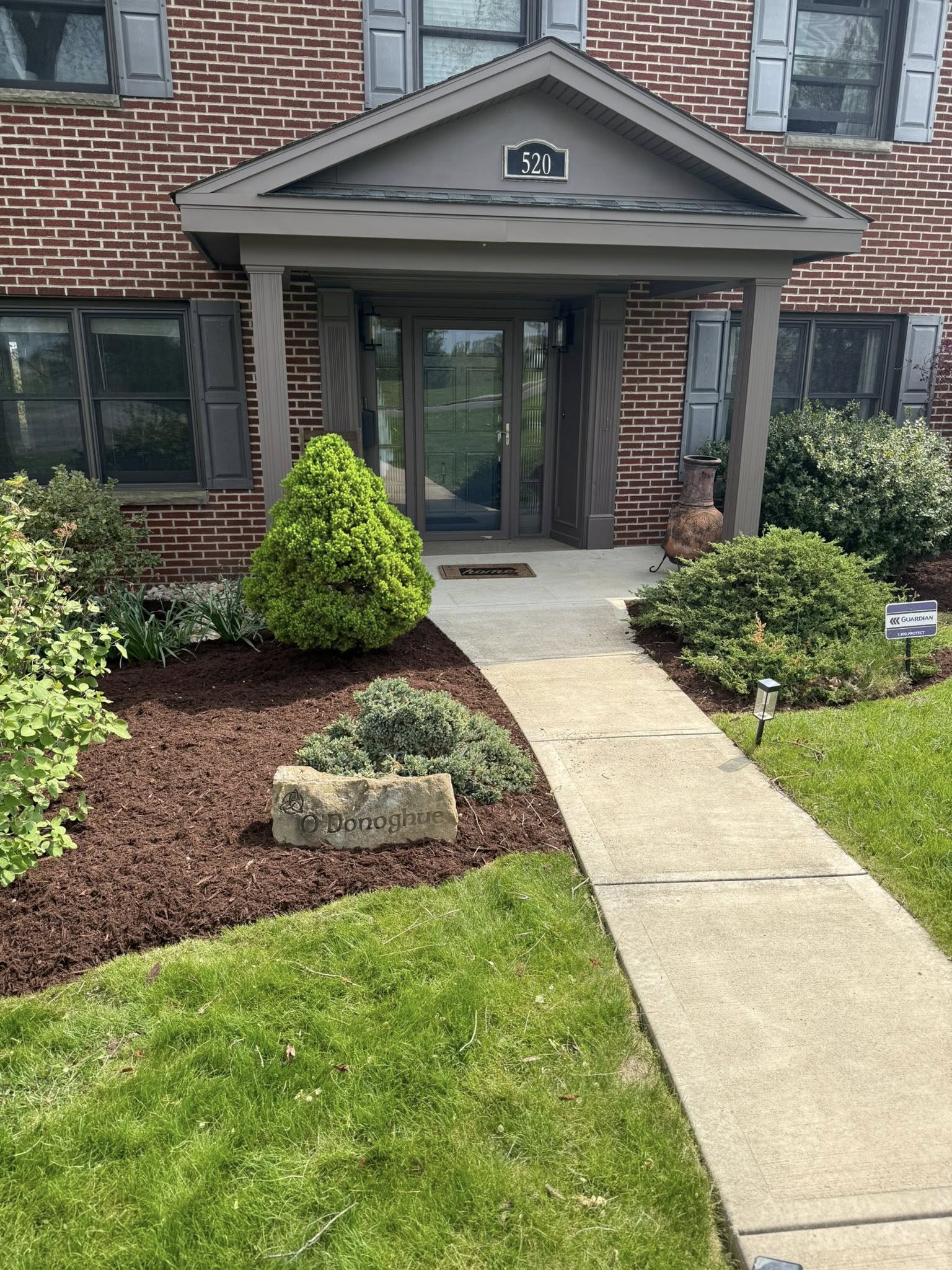
Mulching is another effective technique to retain soil moisture. By covering the ground with organic materials like wood chips or bark, you significantly reduce evaporation, keep the soil cool, and suppress weeds. This not only conserves water but also reduces the time and effort needed for garden maintenance, allowing you to enjoy more and work less.
Consider utilizing smart irrigation systems as part of your landscaping strategy. These systems, equipped with weather-based controllers, monitor local weather conditions and soil moisture levels to adjust watering schedules automatically. This ensures your plants receive the correct amount of water when they need it, minimizing wastage and promoting healthier plant growth.
Landscaping design also plays a key role in water conservation. Implementing techniques like contouring and creating berms can help direct water flow to where it is most needed. Grouping plants with similar watering needs together is also beneficial, as it allows for more efficient irrigation.
Incorporating hardscaping elements such as patios, walkways, and decorative stones can further enhance water efficiency in your yard. These features reduce the amount of grassy areas that require regular watering and can add character and practicality to your outdoor space.
A rainwater harvesting system is another innovative approach to acquiring water for your landscape sustainably. By collecting rainwater in barrels or underground systems, you can use this free resource to water your plants, reducing your dependency on municipal or well water.
Ultimately, water-efficient landscaping is about making informed choices that align with environmental sustainability while creating a visually appealing landscape. Wilder Landscaping Services is committed to helping you achieve this balance. By integrating these practices, you can preserve valuable resources and cultivate an outdoor space that flourishes even under water restrictions.
In conclusion, adopting water-efficient landscaping techniques is a win-win for both the environment and your wallet. These strategies not only contribute to water conservation efforts but also provide a lush, vibrant garden that enhances your property's beauty and value. With the expertise and guidance of Wilder Landscaping Services, you can transform your yard into a sustainable paradise.
/filters:no_upscale()/filters:format(webp)/media/00656e9b-f62c-43ea-90b3-f5bafe0051d3.jpeg)